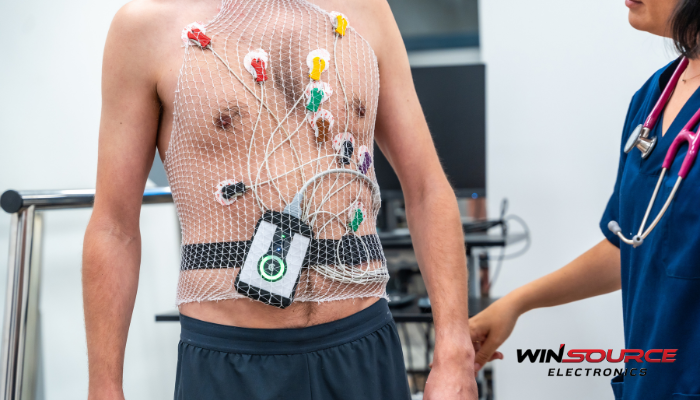
Discover the crucial requirements for biomedical sensor characteristics: high sensitivity, accuracy, biocompatibility, and safety.
* Question
What are the two basic requirements for sensor characteristics for biomedical measurements?
* Answer
For biomedical measurements, sensors must meet two basic requirements in terms of characteristics:
1. High Sensitivity and Accuracy: Biomedical sensors must be highly sensitive to detect small changes in physiological parameters (such as temperature, pH, blood pressure, glucose levels, etc.). Accuracy is also essential because even minor deviations can impact diagnosis or treatment. High sensitivity ensures that the sensor can pick up subtle variations, while accuracy ensures the measurements are reliable and repeatable.
2. Biocompatibility and Safety: Since biomedical sensors often come into contact with the human body or bodily fluids, they need to be biocompatible, meaning they should not cause adverse reactions or toxicity. This ensures patient safety, prevents inflammation or rejection, and enables long-term monitoring without harm.
These two requirements ensure that biomedical sensors can provide precise, reliable data while being safe for human use.