* Question
What is the temperature rise time of the sensor?
* Answer
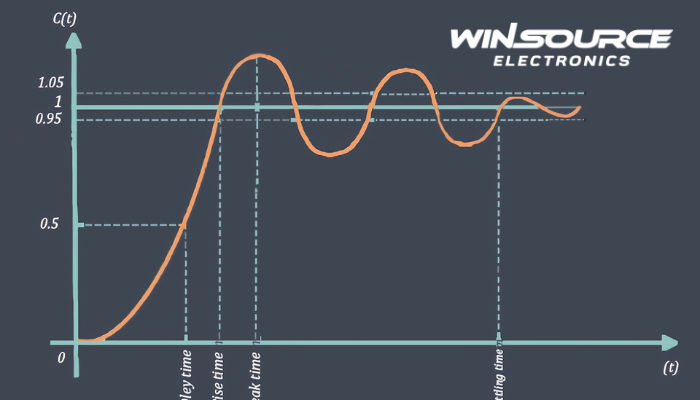
The temperature rise time of a sensor refers to the time it takes for the sensor to respond to a change in temperature and reach a certain percentage (usually 63.2% for first-order systems) of the final temperature value after a step change in its environment. It is a critical parameter for temperature sensors, as it determines how quickly the sensor can detect and report temperature changes.
Factors Influencing Temperature Rise Time:
1. Thermal Mass of the Sensor:
– A sensor with a larger thermal mass takes longer to heat up and respond to temperature changes.
2. Thermal Conductivity:
– The material and design of the sensor affect how quickly heat is transferred to the sensing element.
3. Environment:
– Medium: Air, water, or other substances affect the sensor’s heat transfer rate.
– Fluid velocity: Faster moving fluids increase heat transfer and reduce response time.
4. Sensor Design:
– Protective coatings or housings can add thermal resistance, slowing the response.
– Sensors with exposed elements respond faster than those in enclosures.
5. Measurement System:
– The time constant of the overall system (sensor + electronics) can impact the effective rise time.
Typical Temperature Rise Time for Sensors:
– Thermocouples:
– In air: 0.5 to 10 seconds, depending on size and design.
– In liquid: Less than 1 second for fast-response designs.
– RTDs (Resistance Temperature Detectors):
– In air: 1 to 50 seconds, depending on thermal mass and housing.
– In liquid: 0.5 to 10 seconds.
– Thermistors:
– In air: 0.2 to 10 seconds, depending on size and housing.
– In liquid: Often less than 1 second.
– Infrared (Non-Contact) Sensors:
– Rise time is typically very fast (milliseconds) but depends on the sensor’s signal processing.
How to Determine Rise Time:
1. Manufacturer Specifications:
– Look for the “response time” or “time constant” in the datasheet.
2. Testing:
– Apply a known step change in temperature and measure how long it takes for the sensor to reach 63.2% of the change.
Applications Requiring Fast Temperature Rise Time:
– Rapid thermal processes.
– Safety systems (e.g., fire detection).
– Industrial controls with dynamic temperature changes.
– Medical applications (e.g., body temperature monitoring).
Understanding and selecting a sensor with an appropriate temperature rise time is essential for ensuring accurate and timely temperature readings in your application.