The Benefits of Event-driven Systems in Modern Applications
* Question

What are the general rules in Event-Driven Systems?

* Answer

In event-driven systems, there are several key principles to follow:

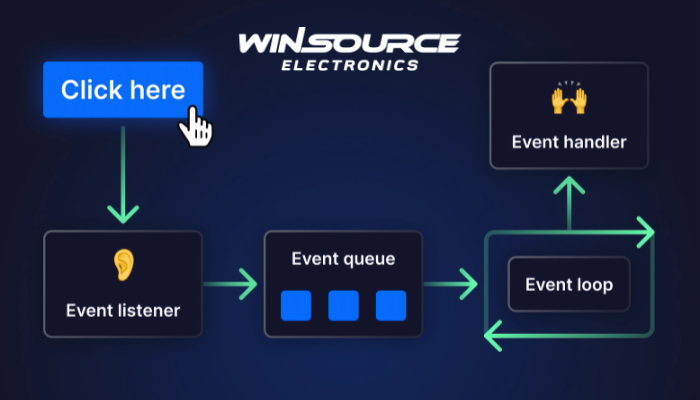
1. Event Generation: Events are triggered by user actions, system states, or external inputs, and they initiate processes within the system.

2. Event Handlers: Once an event occurs, it is passed to an event handler, which processes the event according to predefined rules or actions.

3. Event Loop: An event loop continuously listens for new events and dispatches them to the appropriate handler.

4. Event Queue: Events are often placed in a queue to be processed in order, ensuring that no events are missed and that they are handled sequentially.

5. Asynchronous Processing: Events are often handled asynchronously, allowing the system to remain responsive while processing tasks in the background.

6. Prioritization: Some events may have higher priority and need to be handled before others, especially in real-time systems.

7. Interrupts: In systems with time-sensitive requirements, certain events can interrupt the current flow of processing, ensuring that critical tasks are executed immediately.

8. State Management: The system must maintain an accurate state to handle events properly and ensure consistency.

By following these rules, event-driven systems are able to respond dynamically to a wide range of inputs and scenarios.

Frequently Asked Questions

Q: What is The Benefits of Event-driven Systems in Modern Applications?
A: Unlock the advantages of event-driven systems. Find out how they improve responsiveness, scalability, and flexibility in software development.
Q: Which category does The Benefits of Event-driven Systems in Modern Applications belong to?
A: The Benefits of Event-driven Systems in Modern Applications is part of our QUESTIONS & ANSWERS collection, where we cover the latest trends and technical insights.
Q: Where can I find more technical details on QUESTIONS & ANSWERS?
A: You can explore our QUESTIONS & ANSWERS section for more articles and resources related to this topic.