Mobile Communication: Exploring the Features of SIM Cards
* Question

What are the features of the SIM card?

* Answer

SIM cards, or Subscriber Identity Modules, are integral components in mobile communication, providing several essential features:

1. Identification and Authentication: SIM cards store unique information like the International Mobile Subscriber Identity (IMSI) and the related keys used to authenticate and identify subscribers on mobile networks.

2. Storage for User Data: They can store phone numbers, text messages, and contact lists directly on the card.

3. Network Authorization: SIM cards help in determining the services a user can access, ensuring subscribers use only the services they have subscribed to.

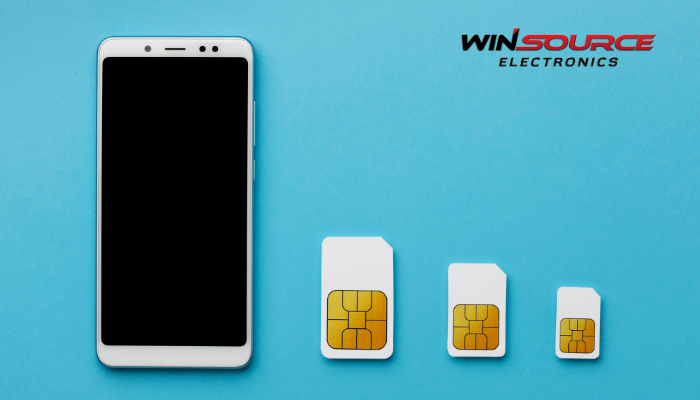
4. Mobility and Interoperability: They allow users to switch devices while retaining their mobile number and service by simply transferring the SIM card to a new device. This feature is facilitated by the standardized form factors of SIM cards.

5. Security: SIM cards help in securing user data and authentication information. They perform encryption that protects the privacy of the calls and security against fraud.

6. Applications: Modern SIM cards can also support additional applications like payment services or digital wallets, adding further utility beyond just connectivity.

These features make SIM cards crucial for the functioning and security of mobile devices within network ecosystems.

Frequently Asked Questions

Q: What is Mobile Communication: Exploring the Features of SIM Cards?
A: Learn about the important role SIM cards play in mobile communication: identification, storage, authorization, and seamless device switching.
Q: Which category does Mobile Communication: Exploring the Features of SIM Cards belong to?
A: Mobile Communication: Exploring the Features of SIM Cards is part of our QUESTIONS & ANSWERS collection, where we cover the latest trends and technical insights.
Q: Where can I find more technical details on QUESTIONS & ANSWERS?
A: You can explore our QUESTIONS & ANSWERS section for more articles and resources related to this topic.